


A commercial solar system is designed around a picture of the business at a particular point in time.
We look at electricity bills, operating hours, equipment, roof space, tariff structure and the loads that run during the day. From there, the system is designed to produce useful energy when the business can use it, however, that picture can change quickly.
The following scenarios can take place: a manufacturer adds a shift, or a warehouse installs more refrigeration; a farm changes its pumping schedule, or a new tenant moves into a commercial property. A business extends its working day because demand has grown. These are all positive developments, but they can change the economics of an existing solar system.
The panels have not automatically stopped performing. The system may be doing exactly what it was designed to do. The problem is that the business is no longer doing what it did when the design was completed.
This is one of the reasons why a solar system should be reviewed after a meaningful operational change, not only when something fails.
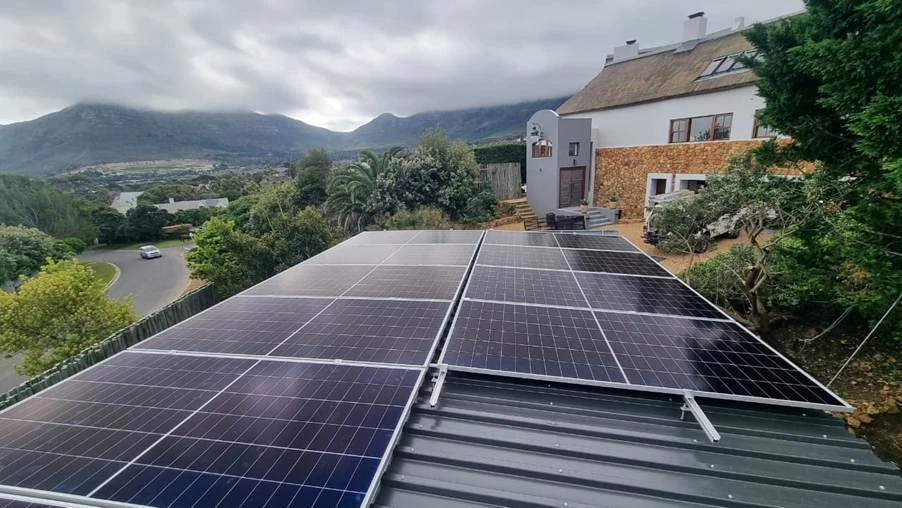
Consider a Cape Town business that originally operated mainly between 08:00 and 17:00. A rooftop solar system would likely have been designed to match a large share of that daytime load. If the business later introduces an evening shift, electricity use moves into hours when solar production is falling or has stopped. The original system can still produce well, but it now covers a smaller share of the site’s total energy requirement.
The same applies when a business adds large equipment such as a new compressor, refrigeration plant, oven, pump or charging requirement that can change the load profile more than people expect. Because of shifting the load, the demand for power from the grid may change at certain times, even though total solar generation looks similar to previous years.
For this reason, looking only at the solar-generation graph is not enough.
An accurate review compares the system’s output with the business’s current electricity demand. It looks at when energy is generated, when it is consumed, what is drawn from the grid and whether the tariff has introduced costs that were not important when the project began.
In the Western Cape, more businesses are making these decisions as part of normal operational planning. The provincial government reported that the Western Cape had achieved 982 MW of non-Eskom energy operational and accessible on the provincial grid by 2025, exceeding its target range of 500 MW to 750 MW. It also estimated that around 30% of South Africa’s small-scale generation capacity was in the province. That level of adoption means energy decisions are becoming part of how businesses plan growth, not merely how they respond to a crisis.
The question we encourage clients to ask is simple: if we were designing the system for this business today, would we make the same decisions?
Sometimes the answer is yes. The system still fits, and the review gives the owner confidence that nothing needs to change.
Occasionally the answer is to improve controls or monitoring or an operational adjustment will help the business use more of its own solar generation. In other cases, an expansion, additional storage or a revised energy strategy may make financial sense. The important part is not jumping straight to an equipment decision.
A good review starts with current information:
- Recent electricity bills and tariff details
- The present operating schedule, not the schedule from three years ago
- Any new machinery, tenants, production lines or major electrical loads
- Solar-generation and grid-import data
- Future plans that could affect energy use in the next two to five years
That last point is often missed. If a business knows it is expanding, it is better to plan for it before a system becomes a constraint. This doesn’t mean buying everything upfront but rather making sure the electrical design, equipment selection and site layout leave sensible room for future changes.
The Western Cape’s renewable-energy market is developing quickly, but that does not change the basic engineering principle: a solar system must be designed around the business, not around a standard package.
Yes, businesses and the costs to produce electricity change. A system that made perfect sense a few years ago may still be good as far as equipment is concerned, but no longer be the best energy plan for the site. The reason I am sharing this is to highlight that it is simply the point at which the energy strategy needs to catch up with the business.